Home

Blog

Why Choose BIM? Unlocking the Full Potential of Lifecycle BIM for Your Business

How BIM Streamlines Processes, Enhances Collaboration, and Maximises Project Efficiency

Building Information Modelling (BIM) has transformed how construction projects are planned, executed, and managed. When implemented effectively, BIM streamlines processes, enhances collaboration, and drives cost savings across a project’s lifecycle—from initial design to operation.

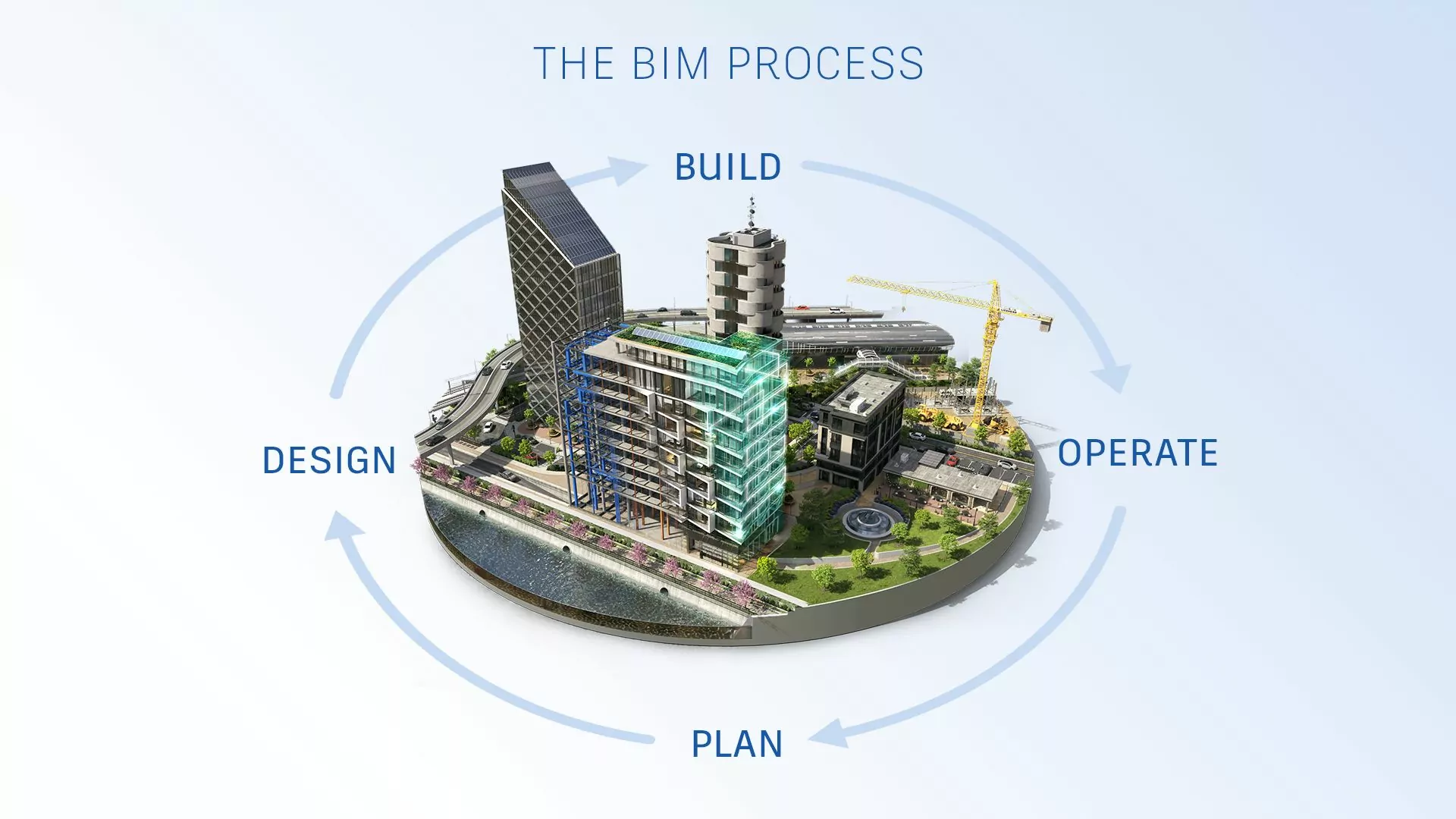
aec bim lifecycle

Malak Abdelmoaty, Pentagon’s BIM and Facility Management Integration Consultant, addresses the fundamental questions everyone asks about BIM:

  • What exactly is BIM?
  • How can organisations implement BIM strategies successfully?
  • What measurable benefits does BIM bring to the construction and facility management industries?

This blog, accompanied by two concise videos, breaks down the essential components of BIM, making it more approachable for industry professionals and providing insights into how BIM can simplify your processes while boosting profitability.

What is BIM?

BIM is a digital approach to construction project management that integrates data and design to foster collaboration across teams. More than just 3D modelling, BIM enables seamless communication between architects, engineers, contractors, and facility managers, promoting an integrated approach that improves the accuracy and efficiency of every phase of the project.

By establishing a shared information platform, BIM eliminates information silos, ensuring that all stakeholders have access to the most accurate and up-to-date project data. This transparency reduces errors, cuts down on rework, and ultimately drives cost savings and efficiency.

Successfully Implementing BIM Strategies

Implementing BIM effectively requires careful planning and a structured approach. At Pentagon Solutions, we guide clients through this process by establishing clear BIM protocols, integrating BIM into facility management workflows, and ensuring that teams are fully equipped to leverage BIM’s potential. Our approach includes:

  1. Assessing Project Needs: Evaluating how BIM aligns with the project’s goals and objectives.
  2. Establishing a BIM Execution Plan: Setting standards, workflows, and collaboration practices.
  3. Training and Support: Equipping teams with the skills and tools needed to work seamlessly within a BIM environment.
  4. Ongoing Management and Integration: Regularly updating and integrating BIM data throughout the project’s lifecycle.

By following these steps, organisations can maximise the return on their BIM investments, creating a smoother and more efficient project delivery.

The Benefits of BIM in Lifecycle and Facility Management

Incorporating BIM into lifecycle management and facility operations provides a wealth of benefits, including cost reduction, enhanced maintenance, and improved asset performance. BIM aids in managing building data from design through to the operational phase, allowing facility managers to make data-driven decisions for long-term asset care.

Our BIM & Facility Management (FM) Integration video explains how BIM bridges the gap between the construction and operational phases, making it easier for facility managers to maintain assets, extend asset lifespans, and reduce unplanned downtime. Our experts guide facilities teams through the early stages of project planning, ensuring that building data is seamlessly transferred from construction teams to FM professionals for more effective maintenance and operation.

BIM Brings Collaboration from Design to Operation

BIM is more than just a tool; it’s a collaborative process that unites all stakeholders, from design and construction to facility management. By centralising information and promoting transparent data sharing, BIM enables each participant to work with the same information, driving better communication and alignment. This unity significantly reduces the risk of costly errors and rework, saving both time and resources across a project’s lifecycle.

Get Started with BIM Today

At Pentagon Solutions, we’re here to help you harness the power of BIM for your projects. From strategy development to implementation, our team of experts supports you at every stage to ensure that BIM becomes an integral part of your organisation’s success.

Chat with us today to learn how BIM can transform your construction or facility management projects, making them more efficient, cost-effective, and collaborative.

FAQs

What is Building Information Modelling (BIM), and why is it important?

BIM is a digital approach that integrates data and design to improve collaboration, reduce errors, and streamline construction and facility management processes. It’s vital because it enables all project stakeholders to work from a shared, accurate data set, enhancing efficiency and lowering costs.

How can BIM save my organisation money?

By reducing rework, improving collaboration, and enabling better planning, BIM minimises costly mistakes and enhances resource efficiency. This leads to significant cost savings throughout the project lifecycle—from design to maintenance.

What are the key steps for successfully implementing BIM?

Successful BIM implementation involves assessing project needs, establishing a BIM Execution Plan, training staff, and integrating BIM data across all project stages. Following these steps ensures a smoother adoption process and maximises BIM’s value.

How does BIM improve facility management?

BIM aids facility managers by providing accurate, accessible data about building assets. This data improves maintenance planning, reduces unplanned downtime, and extends asset life, making BIM a valuable tool for lifecycle management.

Why is collaboration a major focus of BIM?

Collaboration is central to BIM because it brings all stakeholders—architects, engineers, contractors, and facility managers—onto a unified platform. This transparency ensures everyone is working from the same data, reducing communication barriers and minimising project delays.

Contact Us

"*" indicates required fields

Updated on

Updated by

Share this post

Related Articles

Why Document Management Should Be the First Step in Your Digital Transformation Journey
The Hidden Cost of Learning CAD Alone at Your Desk
blog

Related Posts

Why Document Management Should Be the First Step in Your Digital Transformation Journey

Starting your Digital Transformation Journey? Digital transformation is often associated with new technologies, automation, and collaboration tools. However, the real foundation of successful digital transformation starts with something...

The Hidden Cost of Learning CAD Alone at Your Desk

Why Self-Taught CAD Skills Could Be Costing You More Than You Think In today’s digital world, learning CAD software has never been more accessible. With thousands of YouTube...

pma-banner-test-2

The Part of Your CDE Nobody Is Managing: Why Email Still Sits Outside ISO 19650 Compliance

Most project emails sit outside your Common Data Environment (CDE), creating risk and non-compliance with ISO 19650. Learn how to close the gap. Your CDE Isn’t Complete… Your...

Search the entire website